N19 gardeners offering front garden makeovers for Victorian homes
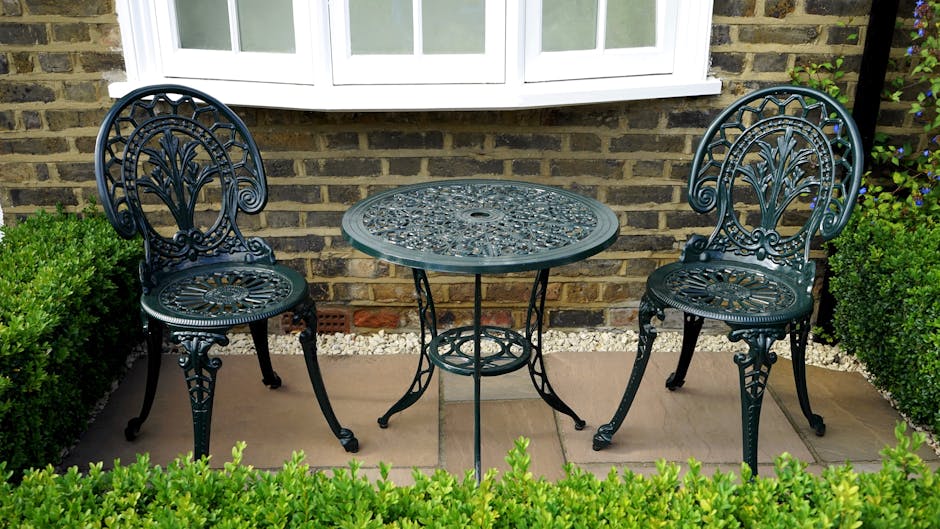
Victorian front gardens have a special kind of charm. Even when they're a bit tired, a little overgrown, or awkwardly laid out, you can still see the bones of something lovely underneath. That's exactly why N19 gardeners offering front garden makeovers for Victorian homes are in demand: they help bring back kerb appeal without stripping away the character that makes these houses feel so distinctive.
If you live in a N19 Victorian terrace, semi, or conversion, you'll know the front garden does more than "look nice". It frames the whole house, affects first impressions, and often has to cope with narrow paths, old brickwork, mature shrubs, and very little margin for error. A good makeover balances style, practicality, and respect for the property. Not easy, but very doable.
In this guide, we'll look at what a front garden makeover actually involves, how the process tends to work, what benefits you can expect, common mistakes to avoid, and the best way to plan a result that feels right for a Victorian home rather than slapped on top of it.
Expert summary: A successful Victorian front garden makeover is usually less about adding lots of features and more about restoring proportion, improving structure, and choosing planting and materials that suit the house. Clean lines, good drainage, and restrained detailing tend to win every time.
Why N19 gardeners offering front garden makeovers for Victorian homes Matters
Victorian houses were designed with presence. The front elevation, pathway, boundary wall, planting bed, and doorstep all work together. When the front garden is neglected, the whole property can feel smaller, darker, and frankly a bit unloved. When it is carefully reworked, the effect is immediate. You notice the windows more. The brickwork stands out. The approach to the house feels calmer.
For homes in N19, that matters for more than appearance. A front garden makeover can improve drainage, reduce messy access routes, create safer paths, and make maintenance far more manageable. On a practical level, that means less slipping on mossy paving, fewer awkward hedges blocking the light, and fewer plants that spend half the year fighting for survival in a narrow strip of soil.
There's also the Victorian character to think about. These homes often suit a more restrained landscape style: clipped hedging, symmetrical planting, traditional materials, and an uncluttered layout. Go too modern or too busy and the front can feel disconnected from the architecture. Go too wild and it may look charming for a week, then slightly unruly after that. Balance is the real trick.
If you're weighing up wider outdoor work too, it can help to explore a full services overview first so you can see how makeover work fits with ongoing care. And if the front area has got away from you, a round of garden clearance is often the sensible starting point before any design decisions are made.
How N19 gardeners offering front garden makeovers for Victorian homes Works
A front garden makeover is usually a staged process rather than one dramatic day of change. Good gardeners will start with the current condition of the space: what's growing, what's damaged, what needs removing, and what should stay. With Victorian homes, that assessment is especially important because there's often a mix of mature structure, old hard landscaping, and hidden issues under the surface.
The first conversation normally covers the style of the property, how you use the front garden, whether parking or bins are involved, and how much maintenance you're happy to do. Let's face it, not everyone wants a garden that needs constant clipping. Some people want a polished look with very little fuss. Others enjoy seasonal planting and don't mind getting hands-on.
From there, the work may include:
- clearing overgrown beds, self-seeded growth, or damaged material
- reshaping the layout to improve access and symmetry
- repairing or refreshing paths, edging, borders, and small boundaries
- selecting plants that suit light levels and soil conditions
- adding structure through hedges, low walls, or simple geometric beds
- finishing with mulch, gravel, paving, or turf depending on the design
For many Victorian homes, the best result comes from a mix of soft landscaping and careful maintenance. A full redesign is not always needed. Sometimes the job is more like a thoughtful reset. Trim, tidy, simplify, replant. Job done. Well, nearly-there's always the weather trying to have its say.
If the design includes shrubs that have become too dense or are blocking windows and light, a specialist approach such as hedge trimming can help restore shape without making the frontage look bare. And if trees are involved, especially close to the building, tree lopping and removal may need to be considered carefully and professionally.
Key Benefits and Practical Advantages
The obvious benefit is kerb appeal, but a good makeover offers more than that. A front garden is one of the hardest-working parts of a property, especially in a dense London street where the entrance area sees daily foot traffic, wet shoes, post deliveries, bikes, prams, and the occasional wheelie bin shuffle. A well-designed space takes the pressure off.
- Better first impressions: A tidy, well-proportioned frontage immediately makes the house feel more cared for.
- Improved access: Clear paths and sensible planting make everyday movement easier.
- More usable space: Even a small front garden can feel bigger when clutter is removed and the layout is simplified.
- Lower long-term maintenance: Choosing durable planting and practical materials reduces ongoing work.
- Better light to the house: Trimming back overgrown growth can make the inside feel brighter too.
- Higher consistency with period style: Victorian homes tend to look best when the front garden feels planned rather than improvised.
A good makeover can also help you spot what was hidden before. Old paving issues, poor drainage, compacted soil, broken edging, or root-related damage often become obvious only once the overgrowth is removed. In our experience, that early clarity saves time later. Much better to deal with surprises before the "finished" stage, not after.
And yes, there's a confidence boost in it too. Walking up to a house that looks considered and tidy changes how the whole place feels. A front garden is never just decorative. It's part of the home's everyday mood.
Who This Is For and When It Makes Sense
This kind of work suits a few different types of homeowner. Some people have recently bought a Victorian property and want the frontage to match the house. Others have lived there for years and gradually stopped seeing the garden as it slowly drifted into "some day we'll sort it out" territory. You know the type. The sort of space where one shrub becomes three shrubs, then somehow becomes a hedge.
It makes sense if:
- your front garden feels overgrown, dark, or unbalanced
- the path or entrance is awkward to use
- the planting looks random rather than intentional
- you want more period-appropriate style
- you're preparing to sell or rent a Victorian home
- you need something that looks good without demanding constant upkeep
It also makes sense if you're already planning broader external improvements. Front gardens often need to be considered alongside hard landscaping, boundary work, or longer-term landscaping changes. If the entrance area needs both structure and planting, landscape gardening can bring the design and planting side together in a more cohesive way.
On the other hand, if the garden is basically fine and only needs routine upkeep, a full makeover may be unnecessary. Sometimes a targeted session of garden maintenance will do the job. Not every frontage needs a rebuild. Some just need a proper tidy and a little design sense.
Step-by-Step Guidance
Here is a practical way to approach a front garden makeover for a Victorian home without getting overwhelmed.
- Assess the existing layout. Look at the shape of the plot, where people naturally walk, how much light reaches the front, and which features are worth keeping.
- Clear the clutter first. Remove dead growth, broken pots, weeds, and anything that blocks the entrance or makes the space feel cramped.
- Identify the architectural cues. Symmetry, railings, brick walls, tiled paths, and bay windows all influence the garden style. Let the house lead.
- Decide on the main function. Is the space for a clean approach, decorative planting, extra storage disguise, or low-effort upkeep?
- Choose a simple structure. For most Victorian homes, one or two strong features work better than five competing ideas.
- Select planting for the site. Match plants to sun, shade, and moisture. A beautiful plant in the wrong spot is just expensive disappointment.
- Finish with the right surface materials. Gravel, brick edging, paving, or mulch should support the overall look and make maintenance easier.
- Plan future care. A makeover only stays attractive if there is a realistic upkeep plan after the work is done.
When the front garden includes old paving or a worn entrance, material choice matters a lot. Victorian homes rarely suit very flashy, oversized features. They usually prefer honest materials and neat detailing. Keep the eye moving to the door, not fighting with the garden on the way there.
One practical habit we recommend: take photos before, during, and after the work. It sounds simple, but it helps you see proportion and spacing more clearly than standing in the space does. On a grey Tuesday morning, that can be surprisingly useful.
Expert Tips for Better Results
There are a few small decisions that make a big difference. They're not glamorous, but they are the kind of details that separate a decent makeover from one that really belongs to the house.
- Use repetition carefully. Repeating a plant species or a shape creates calm. Too much variety can make a small frontage feel busy.
- Protect symmetry where it exists. Victorian facades often look better with balanced planting and mirrored structure.
- Keep sightlines open. Don't block bay windows, doorways, or the main approach with oversized shrubs.
- Choose low-gloss materials. High-contrast or overly modern finishes can jar with period brick and stone.
- Think in seasons. A front garden should still look decent in February, not just in late spring when everything is showing off.
- Allow breathing room. Crowding plants into a narrow bed is one of the quickest ways to create future maintenance headaches.
A useful rule of thumb? If a feature needs explanation, it may already be too much for the frontage. Victorian front gardens usually work best when they look inevitable, not overthought. Subtle. Calm. Confident. That's the sweet spot.
And if maintenance is part of the plan, talk about it early. A design that looks wonderful but is impossible to keep tidy tends to unravel fast. Better a slightly simpler garden that still looks good in three years than a dramatic one that has turned into a weekly battle by autumn.
Common Mistakes to Avoid
Front garden makeovers can go wrong in a few predictable ways, especially with older homes. The good news is that most of them are avoidable with a bit of restraint.
- Overfilling the space: Too many plants, ornaments, or features make a small Victorian frontage feel cramped.
- Ignoring drainage: Water pooling near paths or walls can create ongoing problems.
- Choosing the wrong plant scale: Big shrubs in tiny beds will outgrow the space faster than you expect.
- Forgetting access: Beautiful planting is no use if the bins, post, or everyday foot traffic become awkward.
- Using materials that clash with the house: Some finishes simply look out of place against period architecture.
- Skipping maintenance planning: A front garden is visible every day. It needs a realistic care plan, not wishful thinking.
A lesser-known mistake is making the frontage too "done". Victorian homes often benefit from a little softness. If everything is clipped into hard shapes with no breathing space, the result can feel severe. The house is historic, after all. It can handle a bit of elegance.
Another one: ignoring the street context. If the neighbouring fronts are restrained and classic, a wildly modern layout may stand out for the wrong reasons. Sometimes the smartest move is not to be the loudest house on the road. You want to look well kept, not shouty.
Tools, Resources and Recommendations
For homeowners planning a front garden makeover, the right tools are only part of the picture. The bigger decision is choosing a process and a service mix that suits the home. Still, it helps to know what tends to be used.
- Cutting and pruning tools: For reshaping shrubs, hedging, and overgrown borders.
- Clearance equipment: Useful when the frontage needs a full reset before design work begins.
- Edging and shaping tools: Important for crisp borders and clean path lines.
- Soil and planting materials: Topsoil, mulch, compost, and suitable plants chosen for shade or sun.
- Surface materials: Gravel, paving, brick edging, or other finishes that support both look and use.
It can also help to think in terms of service combinations. A makeover rarely stands alone. For example, a front garden might need clearance first, then shaping, then a longer-term care plan. If the house has hedges close to the boundary, hedge trimming can keep the edge neat while the planting settles in. If there are larger structural issues or a more ambitious redesign, a blend of landscaping and planting work may be more appropriate.
For homeowners who like a straight answer, ask for a breakdown of what is being changed now and what can be staged later. That keeps budgets under control. It also stops you from being talked into more work than you actually need, which, to be fair, happens everywhere.
You may also want to review pricing and quotes information early so you understand how scope, access, and materials influence the final cost. And if you want to know more about the team itself, the about us page is useful for understanding the approach and values behind the work.
Law, Compliance, Standards, or Best Practice
Front garden work is usually straightforward, but there are still sensible boundaries to respect. In London, especially with older homes, it is wise to check whether any trees are protected, whether boundary changes affect neighbours, and whether work might involve shared access or listed features. You do not need to become a legal expert to have a garden makeover, thankfully, but basic care matters.
Some best-practice points are especially relevant:
- Work safely around existing structures: Old brick walls, steps, drains, and railings can be fragile.
- Take care with trees: Large or mature trees may need assessment before pruning or removal.
- Keep paths safe and usable: Surface changes should reduce slips and trip hazards, not create them.
- Use suitable disposal methods: Green waste should be handled responsibly and in line with local expectations.
- Ask about insurance: A reputable gardener or landscaper should be able to explain how they cover the work they do.
For peace of mind, it helps to choose providers who are transparent about safety and standards. Pages such as insurance and safety, health and safety policy, and recycling and sustainability can tell you a lot about how seriously a company treats the work behind the scenes. That might sound dry, but it matters more than people think.
If any part of the project involves disagreements, service issues, or follow-up concerns, it's also useful to know whether there is a clear complaints procedure in place. Good businesses don't hide that stuff.
Options, Methods, and Comparison Table
Not every Victorian front garden needs the same treatment. Some are better suited to a light refresh, while others need a deeper rework. Here's a simple comparison to help you decide what level of intervention makes sense.
| Approach | Best for | What it usually includes | Typical result |
|---|---|---|---|
| Light refresh | Gardens that are basically sound but untidy | Clearing, pruning, edging, replanting a few areas | Cleaner, brighter frontage with minimal disruption |
| Structured makeover | Front gardens needing layout and visual improvement | Layout tweaks, planting redesign, surface updates, boundary tidying | Balanced look with stronger kerb appeal |
| Full transformation | Severely overgrown or dysfunctional front gardens | Clearance, design planning, hard and soft landscaping, long-term planting plan | Major change in function, appearance, and maintenance level |
For many Victorian homes in N19, the middle option is the sweet spot. Enough work to feel transformative, but not so much that the garden loses its period feel. That's often the most satisfying route, truth be told.
If the frontage also needs regular mowing or trimmed edges to keep the result looking tidy, it may be worth checking related support such as lawn mowing for any lawn sections or ongoing border neatness. Small things, but they add up fast.
Case Study or Real-World Example
Here's a realistic example. A Victorian terrace in N19 had a narrow front garden with an uneven path, a couple of tired shrubs, and a hedge that had become far too broad for the space. The house itself was lovely, but the entrance felt swallowed up. Darker than it should have been, too. That "slightly lost in the greenery" feeling, you know?
The makeover began with clearance and reduction work. The hedge was reshaped, the planting beds were simplified, and the path edge was cleaned up so the approach to the front door became obvious again. One of the key changes was restraint: fewer species, better spacing, and a stronger rhythm between hard surface and planting.
Rather than crowding the space with new features, the final design used structure to frame the house. The result was calmer, brighter, and much easier to keep tidy. And the important bit: it still looked like a Victorian frontage, not a modern showpiece dropped onto an old terrace. That distinction matters. A lot.
The homeowner's main reaction was probably the one we hear most often: "I didn't realise how much bigger it would feel." That's the quiet win with front garden makeovers. They don't just change appearances. They change how you experience the entrance every day.
Practical Checklist
Use this checklist before starting a front garden makeover for a Victorian home.
- Assess how the current layout works for access and everyday use
- Identify any overgrown planting that blocks light or ruins the proportions
- Decide whether you need clearance, pruning, landscaping, or a full redesign
- Check for damaged paving, unsafe edges, or drainage issues
- Choose materials that suit the period style of the property
- Keep the planting palette simple and appropriate for the site
- Plan maintenance from the start, not as an afterthought
- Ask about safety, insurance, and waste handling
- Review payment and security details before any work begins
- Make sure the final design still feels like part of the house, not a separate idea
If the job feels bigger than expected, that is normal. Front gardens are small, but they can hide a surprising amount of complexity. A good plan keeps everything steady and manageable.
Conclusion
N19 gardeners offering front garden makeovers for Victorian homes have a very specific challenge: make the front of the house look beautiful, practical, and period-appropriate without losing the charm that made the building special in the first place. When the work is done well, you get more than a tidy entrance. You get a frontage that feels in step with the architecture, easy to live with, and genuinely welcoming.
The best results usually come from careful clearing, thoughtful structure, restrained planting, and realistic maintenance planning. Not flashy. Not overworked. Just right. And that, honestly, is what most Victorian homes need.
If you are ready to improve kerb appeal, simplify upkeep, and make the entrance feel more like home again, the next step is straightforward.
Get a free quote today and see how much you can save.
For a final bit of reassurance, take your time choosing the approach. A front garden doesn't need to be loud to be lovely. Sometimes the quietest transformation is the one you notice every single day.
Frequently Asked Questions
What do N19 gardeners offering front garden makeovers for Victorian homes usually include?
They often include clearance, pruning, layout improvements, planting design, edging, path tidying, and sometimes small hard landscaping adjustments. The exact scope depends on the garden's condition and how much change you want.
How do you keep a Victorian front garden looking authentic?
Use simple structure, balanced planting, and materials that suit the age of the house. Victorian homes usually look best with a restrained approach rather than lots of decorative extras.
Is a full makeover always necessary?
No. Some front gardens only need pruning, weeding, and a few layout changes. A full makeover makes sense when the space is overgrown, poorly arranged, or no longer works for everyday use.
What should I do first if my front garden is badly overgrown?
Start with clearance. Once the excess growth is removed, you can see the underlying space properly and make better decisions about design, planting, and access.
Can a front garden makeover improve kerb appeal quickly?
Yes. Even small changes like reshaping shrubs, improving the path edges, and simplifying the planting can make a home look cleaner and more welcoming very quickly.
How long does a front garden makeover take?
It varies widely. A light refresh may be completed quickly, while a more involved redesign can take longer if clearance, repairs, or planting changes are needed.
What plants work well for Victorian front gardens?
It depends on light, soil, and space, but compact, well-behaved plants with a tidy shape are often a good fit. The best choice is usually one that suits the site rather than one that just looks attractive in a pot.
Will a makeover mean more maintenance later?
Not necessarily. In many cases, a good redesign reduces maintenance by removing overcrowding and choosing practical planting. A smart plan should make upkeep easier, not harder.
Are there safety issues to think about?
Yes. Old paving, uneven steps, hidden roots, and dense shrubs can create trip hazards or access problems. It is sensible to address those issues during the makeover.
Should I ask about insurance before hiring gardeners?
Definitely. It is sensible to check that the team has suitable insurance and follows clear safety practices, especially if the work involves trees, paving, or larger-scale clearance.
What if I want a more modern look but still live in a Victorian house?
That can work, but the best modern interpretations are usually subtle. Clean lines and simple planting can complement a Victorian facade if you avoid designs that clash sharply with the building's character.
How do I know whether my front garden needs landscaping or just maintenance?
If the layout, surfaces, or structure are the main issue, landscaping is probably the better route. If the garden is already set up well but just needs regular care, maintenance may be enough.
For more background on the company's approach and wider service support, you can also browse about us and the main services overview when you're ready.