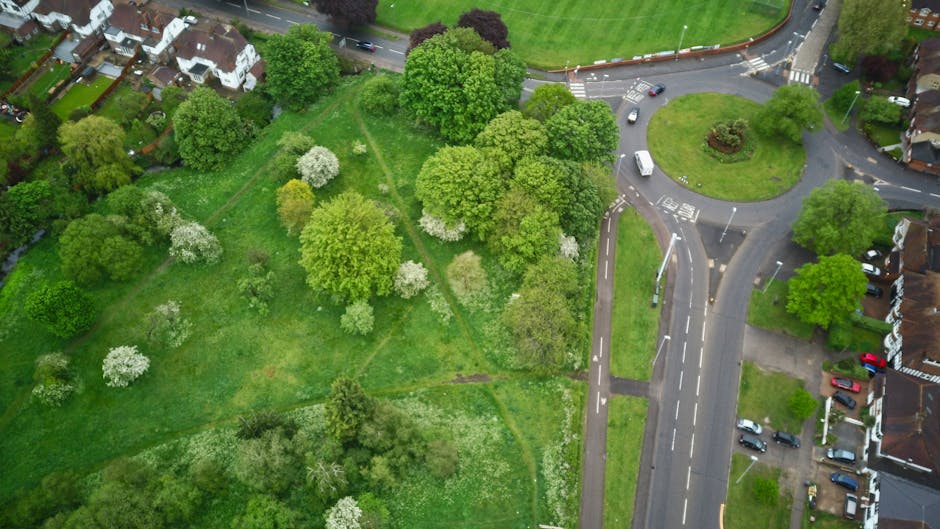
Common problems with access in Tufnell Park garden maintenance jobs
If you have ever tried to get a mower through a narrow side return, squeeze bags of cuttings past a bin store, or carry a hedge trimmer through a shared hallway, you already understand the core issue behind common problems with access in Tufnell Park garden maintenance jobs. Access sounds simple on paper. In real gardens, especially in North London, it can be the part that slows everything down, adds extra labour, or turns a quick tidy-up into a careful, awkward job.
This guide looks at the real-world access issues gardeners run into in Tufnell Park, why they matter, how professionals work around them, and what you can do to make the whole visit smoother. If you are planning routine care, a larger tidy, or a one-off clearance, the details below will help you avoid the usual headaches. Truth be told, the access question is often the one that decides whether a job feels easy or like a small logistical puzzle.
Why access problems matter
Access affects almost everything in a garden maintenance visit: how quickly the team can start, how much equipment they can bring, how safely waste can be removed, and whether the job can be completed in one go. In Tufnell Park, where homes often have terraced layouts, basement entrances, shared paths, narrow side gates, and limited on-street loading space, access can be the main operational challenge rather than the gardening itself.
When access is awkward, even straightforward tasks such as lawn mowing or hedge cutting can become more time-consuming. A gardener may need to carry equipment by hand, protect floors and walls, or schedule extra trips for waste. None of that is a disaster, but it does change the rhythm of the job. And if it is not factored in early, delays tend to show up at the worst possible moment, usually when a van is already parked half a street away and the rain starts. Lovely.
There is also a customer-experience angle. Clear access planning helps avoid surprises about time on site, labour, or disposal arrangements. That matters whether you are booking routine garden maintenance, a fuller tidy, or a seasonal clean-up. People want the job done properly, not awkwardly improvised.
How access issues affect garden maintenance
Access problems usually show up in one of three ways: entry access, working access, and waste access.
1. Entry access
This is how the crew gets from the street to the garden. The usual pinch points are narrow side alleys, steep steps, locked gates, intercom systems, shared hallways, and surfaces that are slippery or uneven. If tools, fuel, sacks, or wheelbarrows cannot move in and out comfortably, the job immediately slows down.
2. Working access
Once inside, the team still needs room to work. Overgrown borders, garden furniture, storage boxes, awkward decking edges, and tight turnaround spaces can limit movement. A compact garden can still be manageable, of course, but the crew may need to change the order of tasks so they are not boxing themselves in. If you are arranging hedge trimming, for example, access to the back of the hedge matters as much as the front.
3. Waste access
Garden waste has to go somewhere. If there is no easy route for cuttings, soil, branches, or clearance bags, the job may need more handling time or a different disposal plan. This is especially relevant for services like garden clearance, where volume is often the bigger issue than the gardening task itself.
In practice, access problems often stack up. A narrow gate may be manageable, but combine that with a long carry, heavy waste, and a shared entrance that must be kept clean, and you have a more delicate job than the customer first imagined. That is the key thing to understand: access is rarely one single issue. It is usually a cluster of small ones.
Key benefits and practical advantages
Good access planning is not just for the contractor's convenience. It benefits the customer too, and in a very direct way.
- Faster completion: fewer delays moving tools, waste, and materials around.
- Cleaner work: less chance of mud, cuttings, or marks through hallways and paths.
- Better safety: less lifting in awkward positions and fewer trips over clutter.
- More accurate quotes: the provider can judge labour and disposal more realistically.
- Less disruption to neighbours: especially in shared gardens or tight terraces.
- Improved results: the team can focus on the garden instead of constantly working around obstacles.
That last point gets overlooked. A gardener who is not fighting the access situation can take a more measured approach to the actual work. The result tends to look tidier, because they are not rushing from one bottleneck to the next.
If the job involves bigger changes, such as hard landscaping or reworking a layout, access becomes even more important. Projects linked to landscaping or landscape gardening often need materials brought in before the finished space can even be built. Poor access can push those stages out by hours, or force less elegant solutions.
Who this is for and when it makes sense
This topic matters to anyone planning garden work in a property where access is not completely open and obvious. That means a lot of people in Tufnell Park, to be fair.
- Homeowners with terraced or basement gardens.
- Landlords and letting agents arranging routine upkeep between tenancies.
- Flat owners dealing with shared entrances or courtyard spaces.
- Busy families who need work done efficiently and with minimal disruption.
- Businesses with planted outdoor areas that need regular care.
- Anyone booking clearance, pruning, or repeat maintenance where waste has to pass through the property.
It makes sense to think about access before the booking, not after. If you wait until the crew arrives, you are already part-way into the delay. That does not mean the job cannot be done. It usually can. But the plan may need to change.
Sometimes the issue is temporary. A skip on the road, scaffolding next door, a parked car in the wrong spot, or a locked communal gate can all create short-term problems. Other times, the access is just permanently tight. Different fix, same principle: identify it early.
Step-by-step guidance
Here is a practical way to handle access for garden maintenance jobs in Tufnell Park.
- Walk the route from street to garden. Look at gates, steps, doors, side alleys, locks, and any narrow turns. If a wheelbarrow or bulky item would struggle, say so early.
- Measure the tight points. Even rough measurements help. Gate width, stair width, and the length of the carry route are often enough to tell whether standard equipment will fit.
- Identify what needs to move through the property. Light pruning bags are one thing; large branches, topsoil, broken fencing, or old decking is another. A job involving timber or dismantling may need more room, especially if you are arranging tree lopping and removal or decking services.
- Check whether neighbours or managing agents need notice. Shared access often means you need to coordinate keys, opening times, or lift protection. It is much easier to settle this before the day.
- Clear a working path. Move bikes, bins, plant pots, and garden furniture out of the route. A few minutes here can save quite a bit later.
- Discuss waste handling. Ask how green waste will be collected, bagged, or loaded. If the path is narrow, the team may need extra time or a different disposal sequence.
- Confirm parking and unloading realities. In many London streets, the van cannot sit outside for long. A workable plan for unloading tools matters more than people expect.
- Review the quote once access is explained. A quote that reflects the real conditions is usually fairer than a cheap figure based on an easy-access assumption.
That process sounds a bit formal, I know. But in real life it saves hassle. Most of the time you do not need anything fancy; you just need honest information and a sensible plan.
Expert tips for better results
Small details make a big difference on access-heavy jobs. Here are the habits that usually help most.
Give a heads-up about the awkward stuff
If the gate sticks, the latch is fiddly, or the basement stairs are steep, say it. Don't leave it for the day of the visit. The crew would rather know in advance than discover it while carrying a load of wet cuttings.
Think in terms of route, not just garden size
A tiny courtyard with easy access can be much simpler than a larger back garden behind a narrow passage. People sometimes assume the garden size tells the full story. It rarely does.
Protect the route before the work begins
A mat, sheet, or temporary cover can be useful where mud or clippings might be tracked indoors. This is especially sensible if the working route passes through a hallway or communal entrance. If you have polished floors, carpet, or recently painted walls, be a bit extra careful. It saves an awkward conversation later.
Separate the job into stages
For very tight access, a gardener may work in stages: prune first, bundle waste next, then finish a clean-up pass. That kind of sequencing reduces congestion. It is simple, but it works.
Be realistic about timing
A job that looks like one hour of gardening may take longer once carrying, loading, and access checks are included. That is not inefficiency. It is reality.
One more practical thought: if the access is difficult every time, ask whether a slightly different maintenance rhythm would help. Smaller, more regular visits can sometimes be easier than waiting for the garden to become a jungle and then trying to haul the jungle out through a hallway. Not glamorous, but sensible.
Common mistakes to avoid
Access issues are manageable, but a few classic mistakes keep cropping up.
- Under-explaining the site: saying "it's fine" when there is actually a tight side passage or a locked rear gate.
- Forgetting the waste route: the garden may be easy to work in, but the cuttings still need to leave somehow.
- Ignoring storage clutter: bikes, bins, and garden furniture can quietly make a simple task much harder.
- Assuming the team will just manage: they might, but it could mean longer labour or a slightly different method.
- Not confirming shared access: communal areas and shared keys need coordination.
- Choosing a service without asking about access constraints: especially for clearance or tree-related work.
There is also a subtler mistake: not matching the service to the access conditions. A routine maintenance visit may be perfectly manageable, but if the garden needs heavy clearance or structural work, you might need a more prepared approach. For example, a broader project involving planting layout, surfaces, or boundary changes may sit better within landscape gardening rather than a one-off tidy.
The short version? Do not leave access as an afterthought. That is where jobs get clumsy.
Tools, resources and recommendations
There is no single magic tool for access problems, but a few practical items and habits make life easier.
| Access challenge | Useful approach | Why it helps |
|---|---|---|
| Narrow gate or side passage | Measure the route and reduce equipment size | Prevents last-minute surprises and avoids forcing bulky gear through |
| Long carry to the garden | Plan staged loading points and bag waste efficiently | Reduces time spent walking back and forth |
| Shared hallway or communal entry | Use covers and keep a clear route | Protects floors and limits disturbance |
| Heavy clearance work | Arrange the job around the waste exit first | Makes removal practical, not chaotic |
| Repeated maintenance visits | Keep access instructions on file | Saves time on every return visit |
For homeowners, a basic site note can be enough: gate codes, where to park, where waste can be stacked, and whether anyone else needs to unlock doors. For contractors, it helps to keep those details in a repeatable format so the next visit starts smoothly. Simple, but a bit of organisation goes a long way.
If you are comparing services or trying to understand what is included, it can also help to read the wider services overview before booking. That gives a clearer sense of which tasks suit routine upkeep and which are more suited to clearance or larger-scale work.
And if you want to understand how pricing may shift with awkward access, the page on pricing and quotes is a useful place to start. No one likes surprise charges, especially not for something that could have been explained up front.
Law, compliance and best practice
Access issues are not just about convenience. They also touch safety and good working practice. In the UK, garden work should be carried out with a sensible approach to manual handling, safe equipment use, and keeping routes clear enough to reduce avoidable slips, trips, and strains. You do not need a lecture on that. You just need the job done without anyone carrying something awkward down three damp steps while muttering under their breath.
For households and landlords, the main expectation is straightforward: provide accurate access information and allow a safe working environment. For contractors, best practice usually means checking the route, planning lifting and carrying sensibly, using the right tools, and pausing if access conditions are unsafe.
If your property has unusual constraints, it is smart to ask whether the provider has a clear process for insurance and on-site safety. A company that takes access seriously will usually take the rest of the job seriously too. You can also look at related policies such as health and safety policy and insurance and safety to understand the standards they work to.
There are also practical trust signals worth checking. If a provider is transparent about how they handle complaints, payment, and privacy, that is usually a good sign that they run an orderly operation. Pages like complaints procedure and payment and security help show that the business thinks beyond the job itself.
For customers worried about environmental impact, there is another good angle: the less wasted movement and the better the waste sorting, the cleaner the whole process tends to be. If that matters to you, it is worth checking recycling and sustainability as part of your decision-making.
Options, methods, or comparison table
Different access problems call for different approaches. Here is a simple comparison to make that clearer.
| Method | Best for | Pros | Limitations |
|---|---|---|---|
| Standard maintenance visit | Reasonably open gardens with light to moderate work | Efficient, usually lower hassle, easy to repeat | Less suitable for bulky waste or major overgrowth |
| Staged access planning | Gardens with narrow routes or shared entrances | Reduces congestion and protects the property | Can take a bit longer on site |
| Specialist clearance approach | Heavy overgrowth, large waste volumes, awkward exit routes | Better for difficult jobs, more controlled disposal | Usually more labour-intensive |
| Small, regular visits | Properties where access is awkward but manageable | Stops the garden getting out of hand | Requires ongoing scheduling |
In many Tufnell Park gardens, the best option is not the fanciest one. It is simply the one that matches the route in and out of the property. That may sound obvious, but people often miss it.
Case study or real-world example
Picture a typical terraced property with a rear garden reached through the house and down a narrow hallway. The front gate is fine, but the side route is tight, the hallway has a rug that cannot get dirty, and there are two bags of old compost, a broken planter, and a small pile of branches waiting to be removed.
On paper, this looks like a routine tidy. In reality, the crew has to protect the indoor route, carry waste in smaller loads, keep tools organised, and avoid turning the hallway into a temporary depot. If the access route is not discussed before the visit, the job can easily run longer than expected.
Now imagine the same property, but the customer gives clear notes in advance: the side gate is wide enough for tool bags only, not larger equipment; the hallway needs covering; waste should be stacked in the back corner before removal; the neighbour's path must stay clear. The job is still awkward, but it is orderly. That difference matters more than most people realise.
Expert summary: the gardens that feel easiest to maintain are not always the biggest or prettiest ones; they are the ones where access has been thought through properly from the start.
That is especially true for recurring care. A little planning at the first visit often makes every future visit quieter, quicker, and less messy. And quieter is good. Nobody wants a whole morning of gate-slamming, muddy footprints, and people moving wheelbarrows around like they are in a narrowboat competition.
Practical checklist
Use this checklist before booking or starting a garden job with access challenges.
- Confirm the exact route from street to garden.
- Check gate width, stairs, and any tight corners.
- Identify whether the garden is private, shared, or through a communal entrance.
- Tell the provider about locks, codes, keys, or intercoms.
- Clear bins, bikes, furniture, and storage items from the path.
- Explain where waste can be stacked and removed from.
- Flag any surfaces that need protection.
- Ask whether the job needs a standard visit or a clearance-style approach.
- Make sure neighbours or building managers know if access is shared.
- Review the quote once the access details are known.
If you can tick most of those off, you are already ahead of the game.
Get a free quote today and see how much you can save.
Conclusion
The main lesson is simple: access is not a side issue in garden maintenance jobs, especially in a place like Tufnell Park where properties can be compact, shared, or just awkward in the way London homes often are. Narrow routes, long carries, communal entrances, and limited waste access can all shape the work more than the garden size itself.
Once you start treating access as part of the job brief, everything becomes calmer. Quotes make more sense, the work runs more smoothly, and the final result usually looks better too. That is the real win. A tidy garden is good, but a tidy process is better. It saves time, saves stress, and makes repeat visits much easier.
If you are still unsure, start with the practical basics: measure the route, explain the obstacles, and ask for a plan that fits your space. It is a small step, but it makes a big difference. Honestly, it often changes the whole feel of the job.
Frequently Asked Questions
What are the most common access problems in Tufnell Park garden maintenance jobs?
The most common issues are narrow side passages, locked gates, shared hallways, awkward steps, limited parking, and difficult waste removal routes. In many cases, the garden itself is not the problem; the route to it is.
Does a narrow gate always mean the job will cost more?
Not always, but it can affect labour time. If the team has to carry equipment and waste in smaller loads or take extra care around indoor routes, the quote may reflect that extra work. A clear description of access usually leads to a fairer price.
How can I prepare my garden for a maintenance visit with difficult access?
Clear the route, move obstacles like bikes and bins, unlock gates in advance, and tell the gardener about any tricky steps, codes, or shared entrances. A few minutes of prep can save a lot of faffing around later.
Should I mention access problems when asking for a quote?
Yes, absolutely. Access is one of the biggest factors in judging how long a job will take and what equipment is suitable. If you leave it out, the quote may be less accurate.
What if my garden waste has to go through the house?
That is common in terraced or basement properties. The usual answer is to protect the route with covers, bag waste carefully, and plan the carry so the indoor area stays clean. It is manageable, just needs a bit of care.
Is access a bigger issue for clearance than for routine maintenance?
Usually, yes. Routine maintenance often creates less waste and uses lighter equipment. Clearance jobs, by contrast, may involve bulky branches, heavier bags, and more trips out of the property.
Can difficult access affect hedge trimming or tree work?
Definitely. Hedge trimming can need room to move safely around the work area, and tree-related jobs may involve larger tools or waste. If you are booking hedge trimming or tree lopping and removal, access details really matter.
What should I check in a contractor before booking a hard-to-access job?
Look for clear communication about site details, health and safety, insurance, and how they handle waste and complaints. A professional provider should be comfortable asking questions about access before the visit.
Will access problems delay the first visit?
They can, especially if the team arrives without enough information. If the provider knows about the route, the gates, and any shared areas in advance, delays are much less likely.
What if my building manager controls access to the garden?
Then it is best to coordinate early. Make sure the provider knows who can open doors, where keys are held, and whether any notice is required. Shared access always needs a little more planning.
Are there any safety concerns with awkward access routes?
Yes. Tight spaces, steps, slippery surfaces, and heavy lifting can increase the risk of trips or strain. That is why good contractors slow down, use the right method, and stop if the route is not safe enough.
Where can I learn more about the company's policies before booking?
You can review relevant pages such as about us, health and safety policy, and terms and conditions to get a clearer picture of how the service is run.
What is the best next step if I'm unsure whether access will be a problem?
Describe the route honestly, mention any narrow or shared access points, and ask for advice before booking. If you want to discuss a job in more detail, use the contact page to outline the site conditions and the type of work you need.