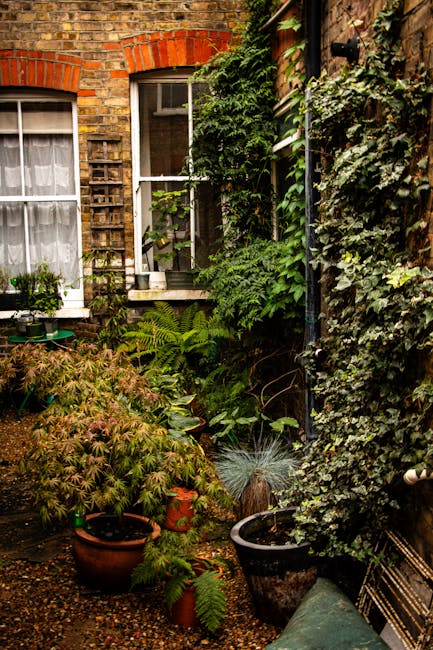
Best gardeners near Tufnell Park Station for small gardens
If you live close to Tufnell Park Station, you already know the kind of garden space London gives you: compact, a bit awkward, often shaded in places, and somehow always busier than it looks. The good news is that a small outdoor space can be one of the easiest gardens to improve quickly, provided you choose the right help. This guide explains how to find the best gardeners near Tufnell Park Station for small gardens, what good service looks like, and how to avoid paying for work that is too heavy-handed, too vague, or just not suited to a tight space.
We will cover practical signs of quality, the most useful services for smaller plots, how to compare options, and what to ask before you book. And yes, there is a difference between a gardener who can handle a large overgrown plot and one who understands the neat, thoughtful work that small London gardens need. Quite a big difference, actually.
Table of Contents
- Why this matters for small gardens near Tufnell Park Station
- How the service works in practice
- Key benefits and practical advantages
- Who this is for and when it makes sense
- Step-by-step guidance
- Expert tips for better results
- Common mistakes to avoid
- Tools, resources and recommendations
- Law, compliance, standards and best practice
- Options, methods and comparison table
- Case study or real-world example
- Practical checklist
- Conclusion
- Frequently asked questions
Why Best gardeners near Tufnell Park Station for small gardens Matters
Small gardens are deceptively demanding. A narrow courtyard, a pocket back garden, or a tiny front space may look simple at first glance, but every square metre matters. If a gardener cuts too much, installs the wrong feature, or ignores proportions, the whole space can feel cramped. If they underwork it, you end up with a garden that still feels messy and hard to enjoy.
That is why local experience matters. A gardener working near Tufnell Park Station should understand how to make compact spaces feel calmer, greener, and easier to live with. In practical terms, that means knowing when to trim, when to leave structure alone, and when a small change, like smarter planting or a cleaner lawn edge, will do more than a full overhaul.
There is also the everyday reality of London access. Parking, narrow side returns, bins, paving, and shared boundaries can all affect the job. A good gardener plans around those little complications instead of treating them as a surprise. To be fair, surprises are rarely welcome when your garden is the size of a decent sitting room.
If you are comparing services, it can help to look beyond generic "garden maintenance" language and check whether the provider actually offers the kind of focused work a small garden needs. Pages like services overview and garden maintenance can be useful starting points because they help you see how regular care is usually structured.
How Best gardeners near Tufnell Park Station for small gardens Works
The process should be straightforward, but it still needs care. Most reputable gardeners begin by looking at the space as a whole: light, drainage, access, plant health, boundary issues, and how you actually use the garden. A small space is not just "a smaller version" of a big one. It needs a different eye.
For example, a garden that gets morning sun and late afternoon shade may need plant choices that stay tidy and cope with changing light. A tiny lawn might only need lighter, more frequent mowing rather than a big seasonal cut. A hedge that leans into the garden by a few inches can suddenly feel like a wall. Small spaces exaggerate everything. Good and bad. That is just how they work.
In many cases, the service falls into one of these patterns:
- One-off tidy-up: useful after a busy season, a long holiday, or a spell of neglect.
- Regular maintenance: ideal if you want the garden to stay usable and neat without constant effort.
- Mini redesign or soft landscaping: helpful when the space needs better structure, planting, or layout.
- Specialist tasks: such as hedge trimming, lawn mowing, clearance, or light tree work.
Good gardeners do not force every small garden into the same template. They adjust. Maybe the lawn becomes a tiny feature rather than the main focus. Maybe a path, raised planter, or simple decked area creates breathing room. Maybe the answer is honestly just cleanup and shape, not a major redesign. That honesty is worth a lot.
For homeowners who want a broader improvement, services such as landscape gardening and landscaping may be relevant, especially if the goal is to make a small garden look intentional rather than merely maintained.
Key Benefits and Practical Advantages
The right gardener does more than make the space look tidy for a day or two. The real value is in making the garden easier to enjoy and easier to keep under control. That sounds simple, but it changes the whole feel of the property.
- Better use of space: small gardens benefit from cleaner edges, simplified layouts, and fewer visually heavy features.
- Less maintenance stress: regular care means less weekend panic when things grow faster than expected.
- Healthier planting: right plant, right place. It is basic, but it matters more in small spaces where every plant is visible.
- Improved kerb appeal: even a tiny front garden can sharpen the look of the whole home.
- Safer access: clear paths, trimmed growth, and tidy boundaries reduce slips, trips, and awkward obstacles.
There is a practical side too. In small gardens, one neglected hedge or one overgrown shrub can dominate the whole space. A skilled gardener can restore balance without ripping everything out. That means less waste, less disruption, and usually a better result.
If sustainability matters to you, it is worth asking how green waste is handled and whether the business takes recycling seriously. The page on recycling and sustainability is a good sign that the company is thinking beyond the immediate job.
Expert summary: In a small garden, the best result is often not the biggest transformation. It is the smartest one: tidy structure, healthy planting, usable space, and a plan you can maintain without dread.
Who This Is For and When It Makes Sense
This kind of service makes sense for a lot of people around Tufnell Park Station. If any of the following sounds familiar, you are probably in the right place:
- You have a small back garden that has become cluttered, patchy, or overgrown.
- You want a clean, calm space for morning coffee, a bit of planting, or just fresh air.
- You rent a flat or house and need the garden to be presentable without spending your whole weekend on it.
- You are selling or letting a property and want the outside to look cared for.
- You need a gardener who understands small-space maintenance rather than large estate-style work.
It also makes sense if you have already tried doing it yourself and realised that, well, time disappears quickly. You start with a trimmer and a cup of tea, and two hours later you are staring at a pile of clippings wondering where the afternoon went. We have all been there.
For bigger one-off clear-outs after a long gap, garden clearance can be the right first step before regular upkeep begins. That is especially helpful when the space has become too messy for routine maintenance alone.
Step-by-Step Guidance
If you want to choose well, use a simple process. No drama, no guesswork.
- Assess the garden honestly. Look at size, sunlight, access, and the main pain points. Is it the lawn, the hedge, the borders, or the whole lot?
- Decide your priority. Do you want a tidy-up, a maintenance plan, or a small redesign? Different goals need different gardeners.
- Check service fit. A provider that handles lawn mowing, hedge trimming, and general care is often a better fit for small gardens than someone who only talks about large landscaping projects.
- Ask about access and waste removal. In compact London gardens, moving tools and waste can be half the job.
- Request a clear quote. The quotation should explain what is included, what is extra, and whether visits are one-off or recurring. If you need price guidance, pricing and quotes is the obvious place to look.
- Confirm timing and upkeep advice. Good gardeners usually tell you how to keep the result looking good between visits. That advice is part of the value.
A small but important point: ask what they would not recommend. A thoughtful gardener will often explain why a major change is unnecessary, or why a plant or hard surface would overwhelm the space. That kind of judgement is worth listening to.
Expert Tips for Better Results
The best results in small gardens usually come from restraint. Not everything needs to be edited down, but everything needs to earn its place.
- Keep the layout simple. Straight lines and clear zones often make compact gardens feel larger.
- Use repeated shapes. Repetition can create calm. A few similar planters or evenly trimmed edges help more than random features scattered around.
- Choose plants that behave. In a small garden, aggressive spreaders become a headache quickly.
- Trim for shape, not just size. A good hedge cut or shrub prune should improve the plant's outline, not just shorten it.
- Think in layers. A low front layer, mid-height planting, and one focal point can create depth without clutter.
- Plan for maintenance. If a design looks lovely but needs constant work, it may not be the right design for real life.
One practical observation: small gardens near busy stations often pick up more dust, urban debris, and windblown litter than people expect. A little regular attention keeps that from turning into a bigger job later. It is boring, yes. But boring is sometimes exactly what you want.
If your garden has awkward corners or stubborn growth, a specialist touch like hedge trimming can instantly restore shape and openness without a full redesign.
Common Mistakes to Avoid
Small gardens are easy to damage by accident. Not badly damaged, necessarily, but enough to make them feel cramped or unfinished.
- Overplanting. Too many plants create visual noise and make the space feel smaller.
- Going too hard on hardscaping. Big paving slabs, oversized decking, or bulky features can dominate a small plot.
- Ignoring light levels. A shady corner and a bright wall may need very different planting choices.
- Using the wrong contractor for the job. A gardener who mostly handles large landscapes may not be the best fit for tight urban spaces.
- Skipping maintenance after the first tidy-up. Truth be told, this is the one that catches people out most often.
Another common mistake is forgetting tree or shrub impact. In a small garden, one branch can block a window, take over a path, or change the light completely. If that is an issue, tree lopping and removal may be worth discussing carefully, though any work of that type should be approached sensibly and with proper safety in mind.
And then there is the "I'll sort it next month" trap. A month later, the weeds are slightly more confident and the hedge has opinions. Happens to everyone, more or less.
Tools, Resources and Recommendations
You do not need a shed full of specialist equipment to look after a small garden, but the right tools do make a difference. A good gardener will usually arrive with the basics suited to compact work: sharp secateurs, shears, pruning tools, a mower appropriate to the lawn size, a blower or rake for clearing, and bags or bins for waste.
For homeowners doing a bit between visits, keep your own toolkit light and realistic. A pair of gloves, a hand fork, a small watering can, and a decent pair of secateurs can cover a surprising amount. If you buy oversized tools for a tiny space, they often just sit there looking impressive and doing nothing. We've all seen that story.
It can also help to understand the service structure before booking. The services overview page gives a broad sense of what is available, while garden maintenance helps frame the difference between recurring care and one-off visits.
Look for gardeners who can explain recommendations in plain English. You should not need a translation service for your own garden. If the plan is too vague, ask for specifics: what will be cut, what will be left, what will be removed, and how the result should look by the end of the visit.
Law, Compliance, Standards and Best Practice
For a small garden near Tufnell Park Station, the main compliance concern is usually not a complex legal issue. It is more about safe, sensible working practices and respecting neighbouring properties. That said, good gardeners should still work to appropriate UK standards of care.
Best practice generally includes:
- Safe use of tools and machinery. Equipment should be operated carefully, especially in enclosed or shared spaces.
- Proper waste handling. Clippings, branches, and soil should be managed responsibly.
- Respect for boundaries and access. A local gardener should be careful around fences, shared paths, and nearby property.
- Insurance awareness. It is sensible to ask whether the business has suitable insurance and safety procedures.
- Clear terms. You should know what has been agreed, what is included, and how any issues are handled.
If the work includes more involved clearance, elevated cutting, or awkward access, the gardener should explain how risk is managed rather than brushing past it. A sensible service will point you toward their health and safety policy and insurance and safety information if needed.
For customer-facing clarity, it is also helpful when a business has straightforward policies for payments and complaints. That sort of structure gives reassurance, even if you never need it. The pages on payment and security and complaints procedure can help set expectations.
Options, Methods and Comparison Table
When choosing the best approach for a small garden, it helps to compare the main service types side by side. Not every garden needs the same thing, and not every gardener is strongest in the same area.
| Option | Best for | What it usually includes | Watch out for |
|---|---|---|---|
| Regular maintenance | Tidy small gardens that need ongoing care | Mowing, pruning, weeding, shaping, clearing | Can be too light if the garden is very overgrown |
| One-off tidy-up | Gardens that have fallen behind | Cutting back, clearing, border reset, waste removal | May not solve long-term layout problems |
| Hedge and shrub work | Spaces where edges are closing in | Trimming, reshaping, selective pruning | Over-cutting can leave the garden sparse |
| Small-scale landscaping | Gardens needing structure or better flow | Paths, borders, planting changes, light hardscaping | Can become overcomplicated if the plan is not simple |
| Decking or feature installation | Gardens needing a defined seating area | Design and installation of a compact decked zone | Needs careful proportion, especially in tight spaces |
If you are deciding between a tidy-up and a more permanent improvement, think about how you use the garden in real life. Do you want a place to sit in the evening? A bit of planting colour? A low-maintenance patch that just looks nice? The answer usually points to the right method quite quickly.
For some homes, a small decked area can make the whole space feel more usable, and decking services may be the right fit if you want a clean zone for seating or pots without losing too much planting space.
Case Study or Real-World Example
Imagine a compact rear garden a few streets from Tufnell Park Station. It has a narrow lawn, a tired hedge, two overgrown borders, and a patch of paving that has started to disappear under weeds. Nothing unusual. Just a very London sort of garden.
The first visit focuses on clearing the clutter, reducing the hedge, and bringing the edges back into view. The gardener does not rip everything out. Instead, they create breathing space. The lawn is made manageable, the borders are simplified, and the paths look intentional again. By the end of the afternoon, the garden feels twice as calm, even though the footprint has not changed at all.
On the next visit, the work shifts to regular maintenance. The hedge stays neat, the lawn is kept at an appropriate height, and the borders are clipped back before they spill over. The owner is not suddenly "good at gardening". Let's be honest, most people never wanted a second job. The point is that the space becomes manageable.
That is often the real win with small gardens: not transformation for its own sake, but a gentler, more usable rhythm. Less fight. More enjoyment.
Practical Checklist
Use this checklist before booking a gardener near Tufnell Park Station for a small garden:
- Have you defined whether you need a tidy-up, maintenance, or a redesign?
- Does the gardener seem comfortable working in compact urban spaces?
- Have you checked whether they offer the specific services you need?
- Did they ask about light, access, waste, and the condition of the garden?
- Is the quote clear about what is included?
- Did they explain how they would protect nearby surfaces and boundaries?
- Do they provide sensible guidance on follow-up care?
- Have you looked at their trust signals, including insurance and safety information?
- Are you comfortable with the payment terms and any complaint process?
- Does their approach feel practical rather than overcomplicated?
If you can tick most of those off, you are usually in good shape. Not perfect, maybe. But good enough to move forward with confidence.
Get a free quote today and see how much you can save.
Conclusion
Finding the best gardeners near Tufnell Park Station for small gardens is really about fit. The right person will understand limited space, local conditions, and the need for balanced, low-fuss results. They will not try to turn a small garden into a grand statement unless that is truly what you want. More often, they will help you make the space calmer, cleaner, and more enjoyable to live with.
If you focus on experience, clarity, and practical judgement, you will usually end up with a better result and fewer regrets. And in a small garden, that matters. Every inch counts, every cut shows, and a thoughtful approach goes a long way.
When you get it right, the garden stops being a job hanging over your head. It becomes a small, welcome part of the day. A quiet cup of tea outside. A bit of fresh air. That sort of thing. Nothing flashy. Just nice.
Frequently Asked Questions
What should I look for in a gardener near Tufnell Park Station for a small garden?
Look for someone who understands compact spaces, can explain their approach clearly, and offers the specific maintenance or tidy-up work you need. A good fit matters more than a broad service list.
Is regular garden maintenance better than one-off visits for small gardens?
Usually, yes, if you want the space to stay neat without big seasonal jobs. One-off visits are useful for a reset, but small gardens often look best with lighter, regular care.
How often should a small London garden be maintained?
That depends on growth, season, and how much time you want to spend yourself. In many cases, a regular monthly or fortnightly rhythm works well, but a gardener should advise based on the actual space.
Can a gardener help make a small garden look bigger?
Yes. Simple layout changes, better proportion, cleaner edges, and the right planting can create the feeling of more space without changing the footprint.
What is the difference between garden clearance and garden maintenance?
Garden clearance is the bigger reset: removing overgrowth, clutter, and excess material. Garden maintenance is the ongoing work that keeps a garden tidy after the initial clean-up.
Do small gardens need landscaping?
Not always. Sometimes they just need good maintenance. But if the layout is awkward, the planting is tired, or the space is hard to use, small-scale landscaping may be the better solution.
How do I know if a quote is fair?
A fair quote should clearly state what work is included, whether waste removal is covered, and whether the job is one-off or recurring. If it is vague, ask for more detail before agreeing.
Should I choose a gardener who also offers hedge trimming and lawn mowing?
That is often a smart choice for small gardens, because those services usually form the backbone of regular upkeep. It can also make booking simpler.
Is decking a good idea in a small garden?
It can be, if you want a defined seating area or a cleaner surface for pots and furniture. The key is proportion; too much decking can overwhelm a tiny space.
What safety checks should I ask about before hiring a gardener?
Ask about insurance, safe working practices, waste handling, and how they protect boundaries and surfaces. Reputable businesses should be comfortable discussing these points.
Can tree work be done in a small garden?
Yes, but it needs careful judgement. A small garden can be heavily affected by one tree or large shrub, so any lopping or removal should be considered sensibly and with safety in mind.
How do I choose between maintenance and a redesign?
If the garden is basically fine but messy, maintenance is probably enough. If the layout feels cramped, awkward, or hard to use, a redesign or light landscaping may make more sense.
Learn more about the team behind the service if you want a better sense of how a local, practical approach can support a small garden without overcomplicating it.